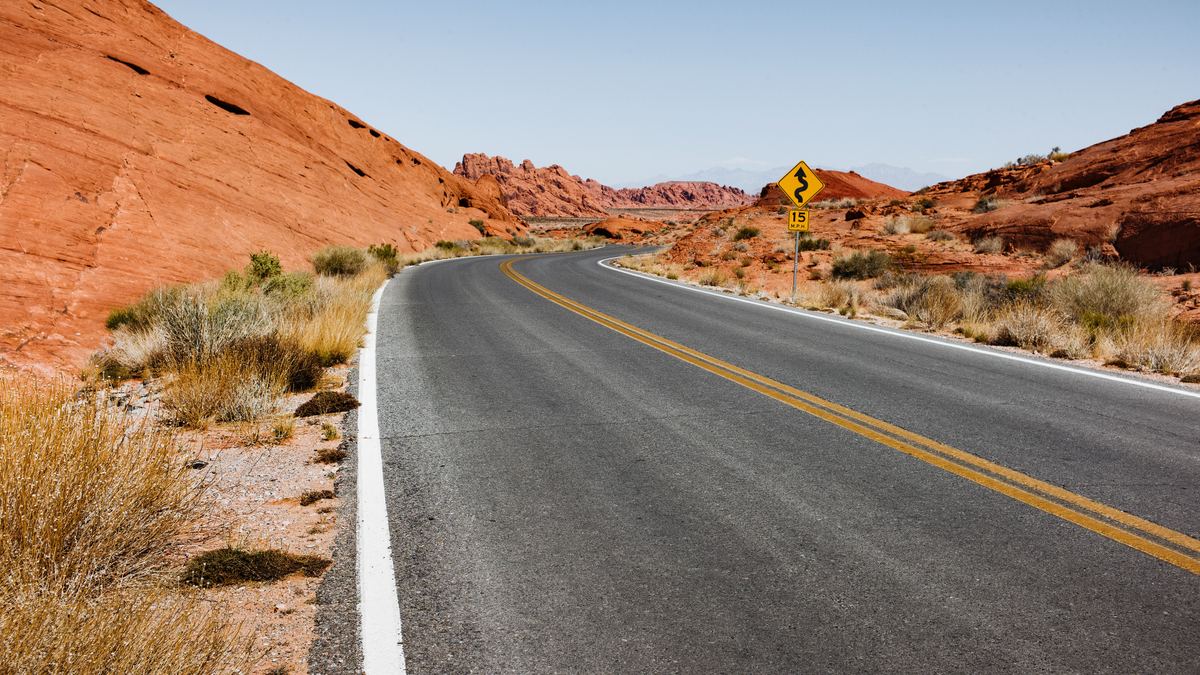
Overton, Nevada (Valley of Fire State Park), United States
Valley of Fire, Nevada: Red Sandstone in the Mojave Desert
Red Aztec sandstone, rock art and desert trails
- 72 unitsCamping units across two campgrounds
- 40,000 acresArea of red sandstone outcrops and limestone
- 50 miles (80 km)Distance northeast of Las Vegas
Overview of Valley of Fire State Park
Valley of Fire State Park lies in the Mojave Desert. Elevations within it run between 1,320 and 3,009 feet (402 to 917 m), and the park sits in a basin measuring 4 by 6 miles (6.4 by 9.7 km).
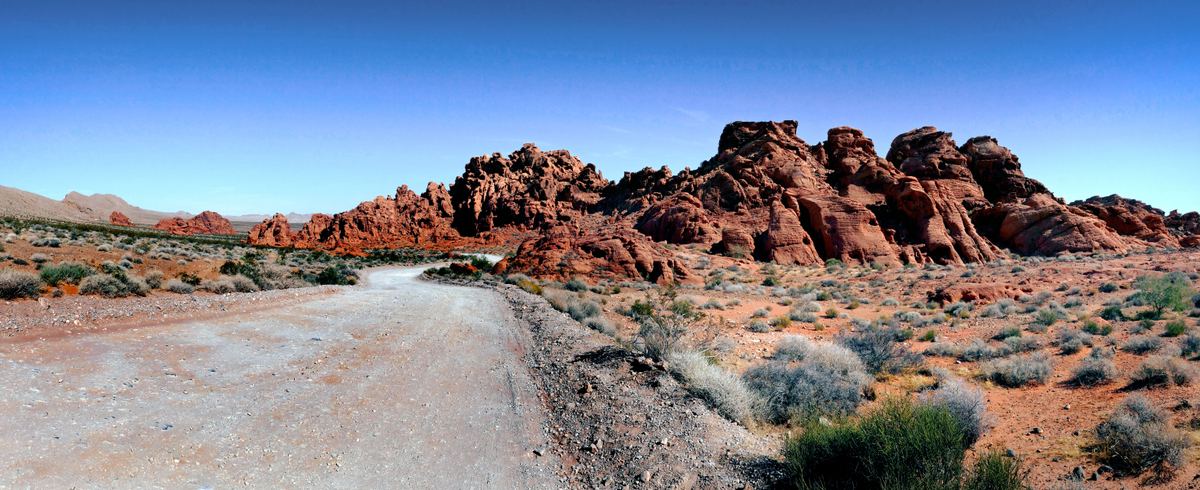
Red Aztec sandstone outcrops, set among gray and tan limestone, spread across 40,000 acres. Lake Mead National Recreation Area adjoins the park along its eastern edge, and that recreation area lies in Clark County, Nevada and Mohave County, Arizona. Most of it, Lake Mead and Lake Mohave included, falls within the Basin and Range physiographic province.
Among Nevada's state parks, Valley of Fire is the oldest.
Why Visit Valley of Fire
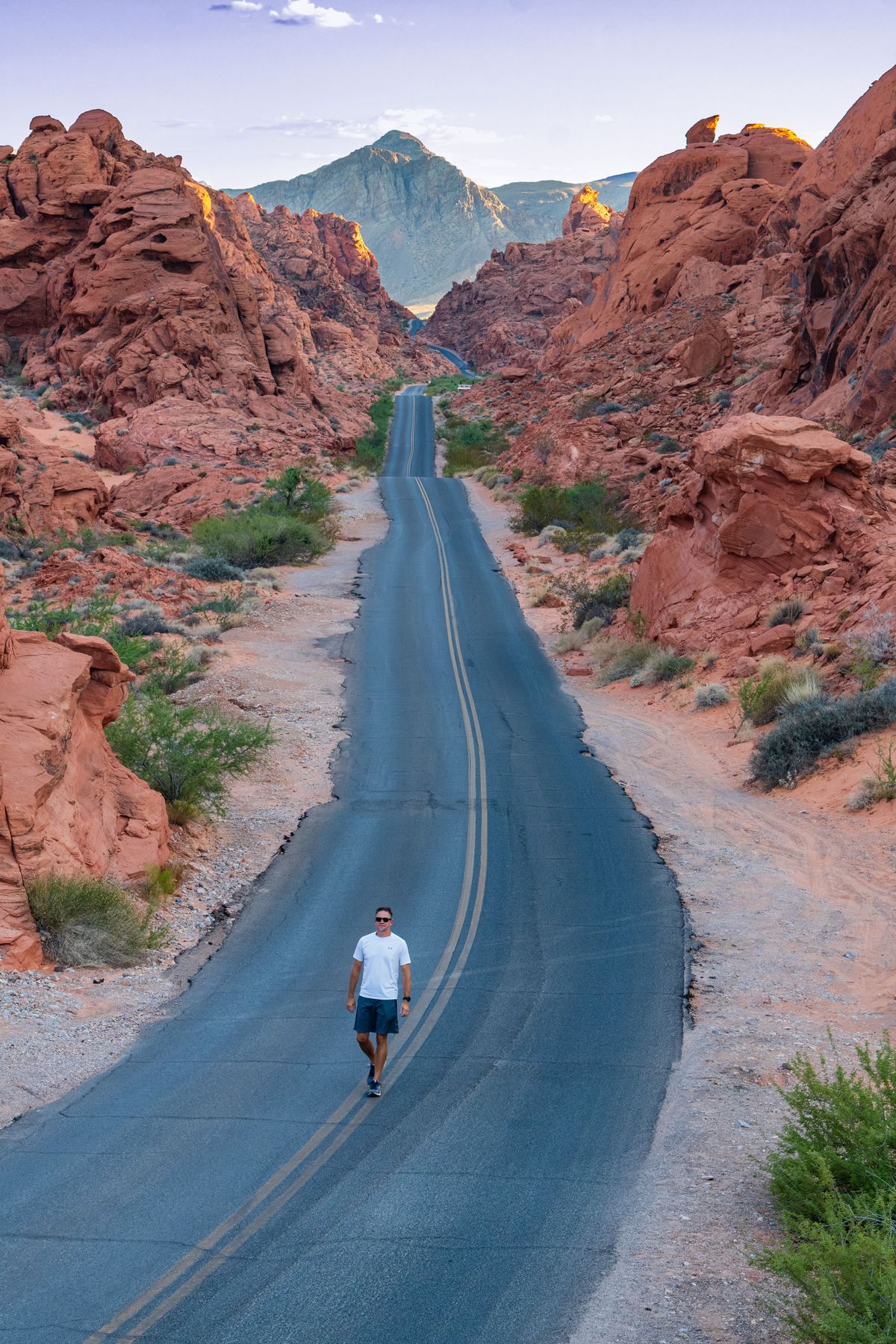
Petrified trees and petroglyphs more than 2,000 years old are found in the park. The name dates to the 1920s, when an AAA official saw the valley at sunset and said it looked like it was on fire. A 10.5-mile (16.9 km) section of Valley of Fire Road between the east and west entrances is a Nevada Scenic Byway, designated on June 30, 1995.
Rock Formed from Ancient Dunes
As a formation, the Aztec Sandstone is Early Jurassic and made up mainly of windblown sand, exposed in the Mojave Desert of Arizona, California and Nevada.
Remnants of ancient dunes also appear as Aztec sandstone in the Bowl of Fire, in the Lake Mead area near the park. The regional basin and range topography began forming about 17 million years ago, when the earth's crust started to stretch. The Great Basin section of the Basin and Range province covers nearly all of Nevada, along with parts of Oregon, Idaho and Utah.
Early Peoples and Park History
| Year | Milestone |
|---|---|
| 1912 | A rough road built through the area as part of the Arrowhead Trail connected Salt Lake City with Los Angeles. |
| 1933 | The Civilian Conservation Corps began work on the park, building campgrounds, trails, stone cabins, ramadas and roads. |
| 1934 | The park opened. |
| 1935 | The state legislature officially designated the park. |
| 1968 | Valley of Fire was designated a National Natural Landmark. |
| 1995 | The 10.5-mile section of Valley of Fire Road between the east and west entrances became a Nevada Scenic Byway on June 30. |
Desert Plants and Wildlife
Widely spaced creosote bush, burro bush and brittlebush dominate the plant community, and cacti such as beaver tail and cholla are common.
April temperatures at Valley of Fire are generally comfortable, and many desert plants are in bloom. Springtime blooms of desert marigold, indigo bush and desert mallow are often spectacular along park roads.
Tours and Activities
Guided options include the Drop Slot and Pinnacles hike, a very strenuous loop of about 3 miles with 700 feet of elevation gain on an unmarked route.
Browse tours and activities
Hikes and Routes
| Route | Length | Terrain and details |
|---|---|---|
| Fire Wave Trail | About 1.5 miles total, out and back | Loose sand and rocky terrain; the terrain makes it feel like about 3 miles to the average person |
| Drop Slot and Pinnacles guided hike | About 3 miles, loop | Very strenuous, with 700 feet of elevation gain on an unmarked route |
| Hidden Arch Loop guided hike | 1.25 miles, off-trail loop | Strenuous, through washes and ravines, and requires basic scrambling |
| Elephant Rock Loop | 1.25 miles, loop | Sandy and rugged terrain, with one area of uneven carved stone steps |
The Fire Wave trailhead is parking lot P3, five miles north of the Visitor Center. Hike suggestions of varying length and terrain are available by asking at the Visitor Center, and program schedules are available from park staff or kiosks. Group presentations can be arranged on request.
Events, Hours and After Dark
On October guided hikes, rangers advised hikers to bring plenty of water.
Sunrise to sunset is the park's daily schedule, and the visitor center operates from 9 a.m. to 4 p.m. Park trails are closed from sunset to sunrise each day, except on the specific trails and dates of special night hikes. During the night hike event, all trails and areas other than the designated trail are closed after sunset, and minors under 18 must be accompanied by an adult.
When to Go
Average annual rainfall is four inches, and most Mojave Desert precipitation comes from Pacific storms moving eastwards from November to April.
Winter daytime temperatures at Valley of Fire range from 54 to 75 °F (12 to 24 °C), and winter overnight lows range from the mid 30s to low 50s °F (3 to 12 °C).
Seasonal detail
Summer Heat and Closures
Summer temperatures at Valley of Fire may on occasion reach near 120 °F (49 °C). Hiking in high heat is dangerous even on short trails, and hydration and preparation for the heat are expected of visitors.
The summer-heat closure takes many trails out of use every year from May 15 to September 30, and White Domes Loop and Fire Wave are among them. Separately, the park closes to all visitors from December 1 through December 14 each year, an annual closure of 14 days.
How to Get There
Overton is the settlement closest to Valley of Fire State Park, and the park is 16 miles (26 km) south of Overton, Nevada.
Uber or Lyft rides to the park can leave visitors stranded, as a return ride is often unavailable. The park's page announces a temporary closure of the West Entrance, and day-use entrance fees are paid at a self-serve kiosk at the park gate on arrival.
Travel details
Distances and Roads
| Leg | Distance | Direction |
|---|---|---|
| Valley of Fire State Park to Overton, Nevada | 16 miles (26 km) | South of Overton |
| Overton to Las Vegas | 65 miles (105 km) | Northeast of Las Vegas |
| Valley of Fire to Las Vegas | 50 miles (80 km) | Northeast of Las Vegas |
| Valley of Fire Road between the east and west entrances | 10.5 miles (16.9 km) | Nevada Scenic Byway |
Where to Stay
Overton is the settlement closest to the park, and the park directs visitors seeking regional information to the Moapa Valley and Mesquite Chambers of Commerce.
Accommodation details
Campsite Facilities and Booking Rules
- The park has three group-use campsites, each accommodating up to 45 people, available by reservation only.
Park Rules and Permits
Pets are welcome but must be on a leash no longer than six feet, and they are not allowed in the Visitor Center.
Valley of Fire Guides
Questions About Valley of Fire
Frequently asked questions
How large is the park?
The park covers 40,000 acres of red Aztec sandstone outcrops set in gray and tan limestone, and it lies in a basin measuring 4 by 6 miles (6.4 by 9.7 km).
Can someone arrive for the day without booking?
Day use of the park involves no reservation. Entrance fees for day use are paid on arrival at a self-serve kiosk at the gate, whereas every campsite is booked by reservation.
When are the trails closed for summer heat?
White Domes Loop and Fire Wave are among the many trails that stay closed between May 15 and September 30 every year.
How many camping units does the park have?
The two campgrounds hold 72 camping units in total. Campsite check-in starts at 2 p.m., and camping is limited to 14 days within a 30-day period.
Does the park ever close to all visitors?
Yes, the park closes to all visitors from December 1 through December 14 each year, a closure of 14 days.
What hours does the visitor center keep?
The visitor center opens at 9 a.m. and closes at 4 p.m., while the park as a whole runs on a daily sunrise-to-sunset schedule.
Are pets allowed?
Pets are welcome on a leash no longer than six feet, but they are not allowed in the Visitor Center.
Can a ride-share bring visitors back from the park?
Visitors using Uber or Lyft can be stranded in the park, as return rides are often unavailable.
Sources
- Valley of Fire State Park | State Parks
- Valley of Fire State Park
- NPS Geodiversity Atlas—Lake Mead National Recreation Area, Nevada and Arizona (U.S. National Park Service)
- History of Valley of Fire State Park | State Parks
- Aztec Sandstone
- Geology - Lake Mead National Recreation Area (U.S. National Park Service)
- Basin and Range Province (U.S. National Park Service)
- April Events at Valley of Fire | State Parks
- Natural Resources and Climate of Valley of Fire State Park | State Parks
- March Events at Valley of Fire | State Parks
- Guided Sunrise Hike to Fire Wave | State Parks
- Sunrise Hike at Fire Wave | State Parks
- Mouse's Tank Night Hike (Self-guided) | State Parks
- October Events at Valley of Fire | State Parks
- Bonus January Self-guided Night Hikes! | State Parks
- Mojave Desert
- Overton, Nevada
- Valley of Fire State Park - Park Rules | State Parks